Valorant Champions Shanghai, what Group Stage Day 2 tells us about the 2026 meta
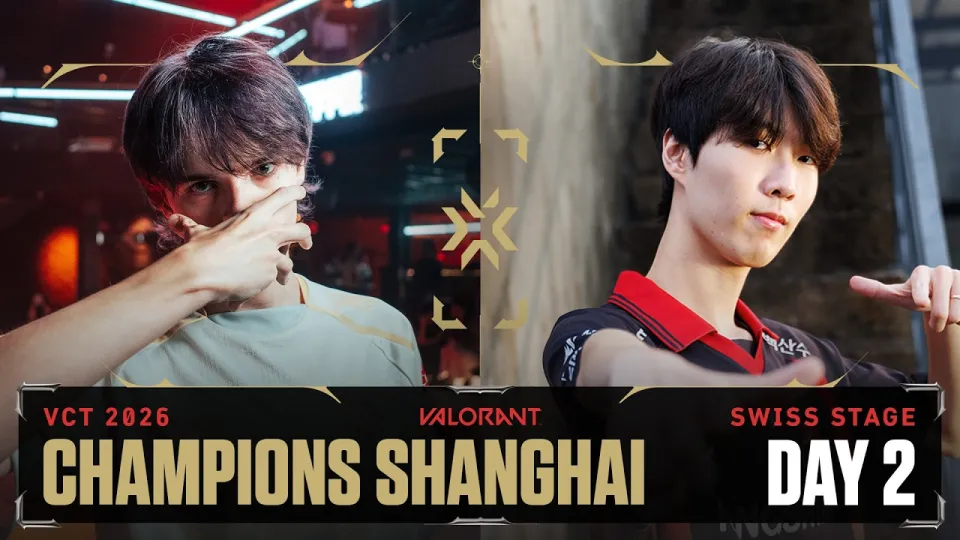
Video: VALORANT Champions Shanghai — Group Stage — Day 2
Want articles like this for your own video to promote it on YouTube and Google? Order them through the Telegram bot @sat_sit_bot. The bot writes and publishes the articles itself (with your YouTube video embedded) on popular topical websites (no ads). Free trial — 50 articles.
· based on the channel VALORANT Champions Tour
Key takeaways
- 16 teams from Americas, CN, EMEA and Pacific compete at Valorant Champions Shanghai, running September 24 to October 18, 2026.
- Masters 2026 already crowned two different champions, breaking the assumption that one region owns the year.
- Day 2 of the group stage drew criticism for lopsided maps and fast finishes, with viewers calling it a 'speedrun day'.
- China's four slots became the biggest talking point, with fans arguing the region should merge into Pacific for international events.
- The broadcast's translated interviews ran noticeably longer than the original answers, a recurring production complaint.
- Follow official updates and match schedules via the VALORANT Esports X account at https://x.com/valorantesports.
Valorant Champions Shanghai is the 2026 world championship for Riot Games' tactical shooter, bringing 16 teams from the Americas, CN, EMEA and Pacific regions together from September 24 to October 18. Group Stage Day 2, published by the VALORANT Champions Tour channel, condensed a full slate of matches into one broadcast that raised as many questions about regional strength as it answered. The short version: the tournament is wide open, but the gap between regions is the story nobody can ignore.
What Valorant Champions Shanghai actually is
Valorant Champions Shanghai is the season-ending international event where 16 qualified teams fight for the year's biggest trophy. The format splits them across four regions, and after two Masters events in 2026 produced two different champions, the field arrived in Shanghai without a clear favorite. That context matters for Day 2: every map result feeds directly into playoff seeding, and a single loss in the group stage can decide whether a team meets a top seed early or avoids one entirely. For anyone tracking the esports calendar, this is the tournament where regional depth gets tested against international execution.
Day 2 results and the matches that shaped the bracket
Day 2 delivered fast, one-sided maps rather than the extended slugfests viewers expect from a world championship. The most common reaction in the comments was that the day felt like a speedrun — matches closing out before tension could build. That pattern has a competitive explanation: group stage drafts often favor comfort picks over experimental compositions, so when one team wins the pistol round and converts the bonus, the map snowballs. The practical takeaway for viewers is to watch the opening two rounds closely; in Shanghai's group stage, they have been a reliable predictor of which side takes the map.
Why the CN region debate exploded in the comments
The loudest thread under the Day 2 broadcast was whether China should keep four dedicated slots at international events. Several viewers argued the slots were wasted and suggested merging CN into Pacific so the strongest Pacific teams qualify instead. The counter-argument is structural: China has its own league, its own audience and a mobile-first player base that Riot has actively cultivated, which is exactly why the region received early access to Valorant Mobile. Slot allocation is not purely a meritocracy of current results — it is an investment in a market. Still, the frustration is real, and it will only quiet down when CN teams convert those slots into deep playoff runs.
Reading the skill gap: radiants versus bronze
One of the sharpest comments compared certain Day 2 matches to "5 radiants versus 5 bronze." That is hyperbole, but it points at a genuine analytical question: how large is the gap between the top seeds and the lower-seeded qualifiers at Champions? Historically, the difference shows up less in raw aim and more in mid-round decision-making — default setups, retake discipline and utility usage under pressure. When a team's in-game communication leaks into the broadcast and sounds disorganized, the map score usually follows. For fans doing Pick'ems, that is the useful signal: evaluate teams by how they talk and rotate, not by their ranked highlight reels.
Production notes: spoilers, translations and pacing
Broadcast production shaped the Day 2 experience almost as much as the gameplay. A pinned spoiler-blocker comment with timestamps in replies became the most-liked item under the video, showing how much the audience values watching the VOD blind. Meanwhile, several viewers complained that translated interviews took roughly three times as long as the original answers, dragging out the post-match segments. These are fixable issues — cleaner subtitle pipelines and faster cuts would tighten the show — but they also reflect a global broadcast trying to serve multiple language audiences simultaneously.
What to watch in the rest of the group stage
Three things will determine how the Shanghai bracket shakes out. First, seeding: teams that drop early maps face tougher playoff paths, so expect more conservative, comfort-heavy drafts until elimination pressure arrives. Second, regional validation: CN squads need statement wins to defuse the slot debate, while Pacific and EMEA contenders want to prove Masters was not a fluke. Third, adaptation speed: the teams that adjust their compositions between maps, rather than repeating a losing formula, are the ones historically built for deep Champions runs. Group stage Day 2 was fast and lopsided; the playoffs rarely stay that way.
Useful links
- Official VALORANT Esports on X: https://x.com/valorantesports
- Facebook: https://www.facebook.com/ValorantEsports/
- Instagram: https://www.instagram.com/valorantesports/
- TikTok: https://www.tiktok.com/@valorantesports
- Twitch: https://www.twitch.tv/valorant
The bottom line on Day 2
Group Stage Day 2 at Valorant Champions Shanghai was a reminder that a world championship is not just a skill showcase but a stress test of regional infrastructure. The matches were quicker and more one-sided than expected, which turned the conversation toward slot allocation, communication quality and broadcast pacing rather than highlight-reel clutches. None of that diminishes what is at stake: 16 teams, four regions and a single trophy, with two Masters champions already proving that 2026 has no dominant dynasty. The VALORANT Champions Tour channel is publishing the full match VODs and daily recaps, and following https://x.com/valorantesports is the fastest way to catch schedules, results and bracket updates before the next broadcast.
Source: VALORANT Champions Shanghai — Group Stage — Day 2 · Markdown version
Questions & answers
How many teams play at Valorant Champions Shanghai and where do they come from?
Sixteen teams qualify for the event, drawn from four regions: the Americas, CN, EMEA and Pacific. They compete in a group stage before the bracket narrows toward the playoff rounds. The tournament runs from September 24 to October 18 in Shanghai.
Why did viewers call Day 2 a speedrun?
Several matches on Day 2 ended quickly and with lopsided map scores, which made the broadcast feel shorter and less dramatic than a typical Champions day. Fast finishes usually trace back to early pistol and bonus conversions that let one team snowball the economy. Viewers used the term half-jokingly, but it reflected a real lack of close maps.
Should China keep four slots at international Valorant events?
That is the most debated question under the Day 2 VOD. Critics argue the slots would be better spent on stronger Pacific teams, while supporters point to China's large player base, dedicated league and Riot's investment in the region, including early access to Valorant Mobile. The debate will likely settle based on how CN teams perform in the Shanghai playoffs.
How can I watch the matches without spoilers?
The most-liked comment under the broadcast is a spoiler-blocker with timestamps hidden in the replies, which lets you jump straight to a specific series without seeing results first. Watching the full VOD from the start is the safest option, and official schedules are posted on the VALORANT Esports X account. Following https://x.com/valorantesports keeps you updated without digging through comment sections.